

illusion of control in gambling explained


Understanding why dice feel predictable
Most players walk into a casino carrying a quiet assumption that skill nudges chance, even on pure luck games. You might press the spin button harder, blow on the dice, or pick a machine because the last payout looked close. That feeling has a name, and it is the illusion of control in gambling explained through the lens of how our brains misread randomness. It is not about being gullible; it is about how normal cognition trips over unpredictable systems. The same mental shortcut shows up when people think they can time a pokies bonus or force a card table into their favour. Knowing the pattern is the first step to keeping play measured and decisions clear.
[own; anchor=”https://wolfwinneraulogin.com”]
How the brain misreads chance
The core of the problem is that humans are pattern hunters. When a pokies reel lands one symbol away from a line, the brain tags that near miss as information, not noise. Players then believe they influenced the result, even though the random number generator sealed the outcome the instant the spin started. This is where the illusion of control in gambling explained by psychologists fits the real floor: repeated losses followed by one win can feel like a system working, when it is just variance doing its usual swing. The same bias shows up when players choose machines by colour, timing, or superstition, then credit a win to their choice rather than the maths underneath. The practical risk is that the feeling of influence encourages longer sessions and larger bets, because the mind treats randomness as something responsive. A measured approach means treating each round as independent, not as a message from the machine.
Where the bias shows up on the floor
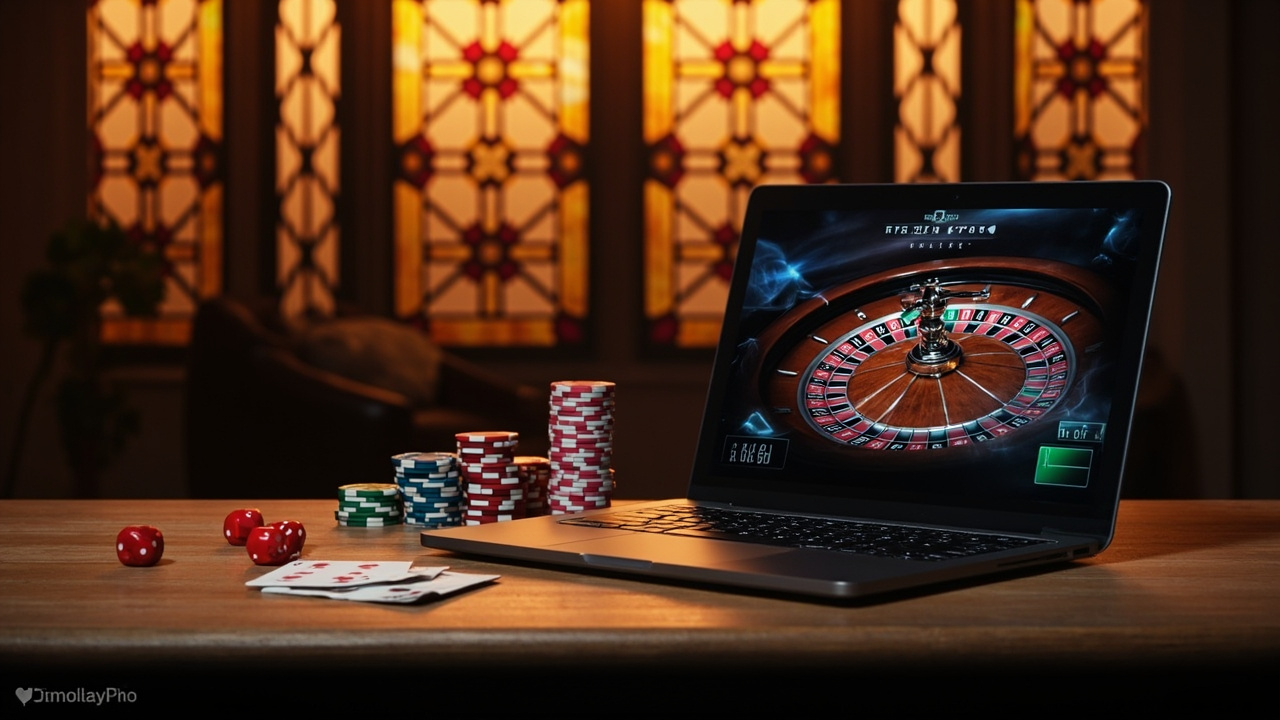
The bias is most visible in games that invite personal input. Roulette players who set their own chips on numbers often feel more attached to the result than someone who takes a quick bet from a nearby table. Card players who shuffle, cut, or tap the felt before a deal can convince themselves they have shifted the odds, even when the deck order is already fixed. In digital rooms, the same effect appears when bettors adjust stake size between spins or switch games after a dry run, as if the machine is listening. The illusion of control in gambling explained through these habits shows a consistent thread: action feels like influence, and influence feels like an edge. That is why session limits and clear stake tracking matter more than any ritual at the table. If the game is chance-based, the only real lever is how much time and money you allocate before you sit down.
Keeping decisions grounded in reality
A sensible approach starts with separating feeling from fact. Before any session, set a time window and a loss limit that you would accept even if the room stayed cold all arvo. Treat near misses as entertainment, not as signals, and remember that a bonus round or free spins feature does not rewrite the underlying maths. The illusion of control in gambling explained in plain terms is simply the brain mistaking randomness for a system it can steer, so the fix is to stop steering and start measuring. In practice, that means checking your balance at set intervals, not after every win, and walking away when the plan runs out rather than when the mood shifts. If you want a straightforward place to test those habits on a regulated site, you can register at https://wolfwinneraulogin.com and use the demo or low-stake modes to see how fast variance can flip. The goal is not to outsmart chance; it is to keep chance from outsmarting your budget.
Glossary
- Near miss: a result that falls just short of a payout and can feel like a hint, even though it is still random.
- Variance: the natural swing of wins and losses over a session, not a sign of a machine changing its behaviour.
- RNG: random number generator, the system that decides outcomes the instant a game starts, before any visual animation.
- Session limit: a pre-set time or money boundary used to keep play within a planned range.


